
|
40%Bolivia is home to roughly 40% of
the world's biodiversity. |
12From the humid rainforests of the Amazonian floodplain to the alpine areas of the Andean mountains, Bolivia has 12 different eco-regions, making it one of the most biologically diverse countries in the world.
|

|

|
137Bolivia has 137 protected areas, covering a quarter of its landmass, to safeguard its diverse ecosystems.
|
260%Deforestation in Bolivia has increased by a whopping 260% in the last eight years.
In 2022, it had the 3rd highest deforestation rate in the world, after Brazil and the Democratic Republic of Congo. The primary causes of deforestation are agricultural expansion and soy production. |

|
Bolivia's disappearing forests are a major threat to our entire planet, yet the world hardly notices as it's eclipsed by the destruction in its more famous Amazonian neighbour, Brazil.
Restoring High Andean Polylepis Forests in Bolivia
Why High Andean Forests?
|
The Andes Mountains of South America are the leading biodiversity hotspot in the world.
The Andes cover just 1% of the world's land, and yet are home to an impressive 15% of Earth's species, like the spectacled bear, puma and Andean condo. On top of this, 10 million indigenous people call the Andes their home. |

|
Thanks to agricultural expansion, the High Andean Forests which once covered large parts of the Andes, are now fragmented. The remnant patches of forests are severely degraded. The loss of these native Polylepis forests threatens the very existence of the animals, plants and people who depend upon it.
The hardy evergreen Polylepis is the highest-altitude growing tree in the world, growing up to 5,000 meters above sea level, often forming the treeline just below the Andean glaciers.

|
As well as being a vital carbon sink, Polylepis forests prevent flooding, soil erosion, and provide essential wildlife habitat. But even more importantly, they protect the water security of millions of people. These incredible forests act as a major source of South American's water supply, including the Amazon basin and the Amazon Rainforest. By capturing and storing glacial meltwater and mist from clouds, these trees ensure water's slow release into rivers, streams and to the communities below, even during the dry season. Whats more, by creating clouds, Polylepis forests help to keep the local climate cool, staving off the effects of our warming climate. |
If all that wasn't enough, Polylepis Forests have another vital role to play. They provide refuge to wildlife species seeking higher and cooler climates in order to survive climate change.
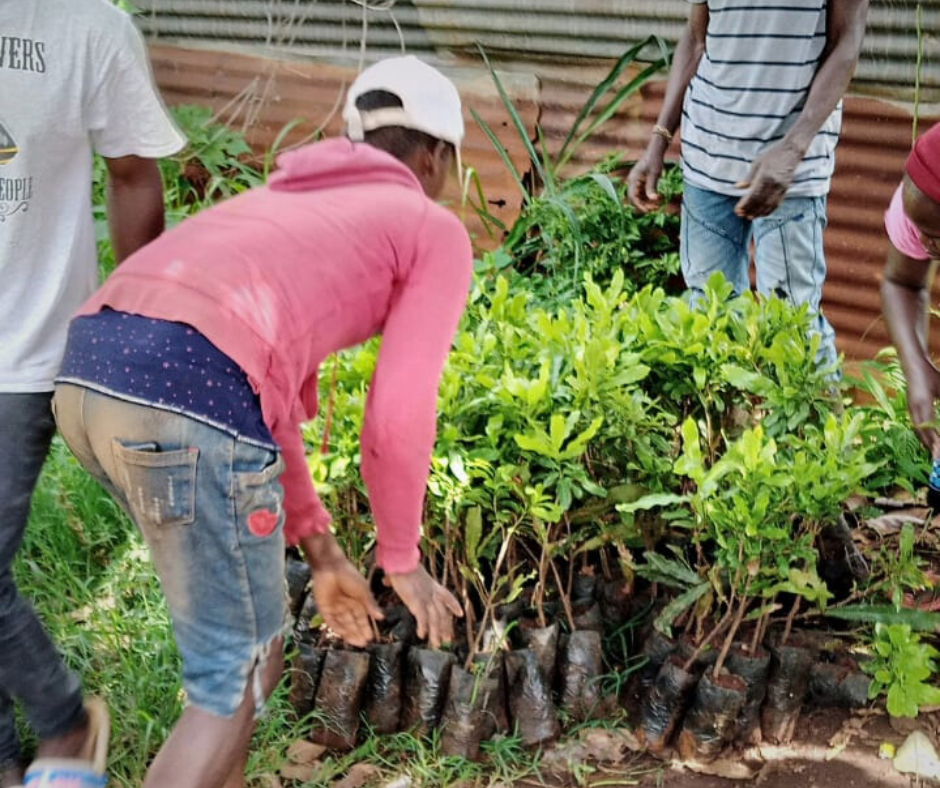
That's why we've teamed up with Global Forest Generation and ECOAN's Acción Andina, winners of the Earthshot Prize, to restore these native forests and their ecosystems across Bolivia.
That's why we've teamed up with Global Forest Generation and ECOAN's Acción Andina, winners of the Earthshot Prize, to restore these native forests and their ecosystems across Bolivia.

|

|

|

|

|

|

|
Our reforestation work is crucial to the region’s climate resilience, water security, biodiversity, community livelihoods and indigenous culture. Plus of course the incredible carbon sink potential we so desperately need to fight climate change on a global scale.
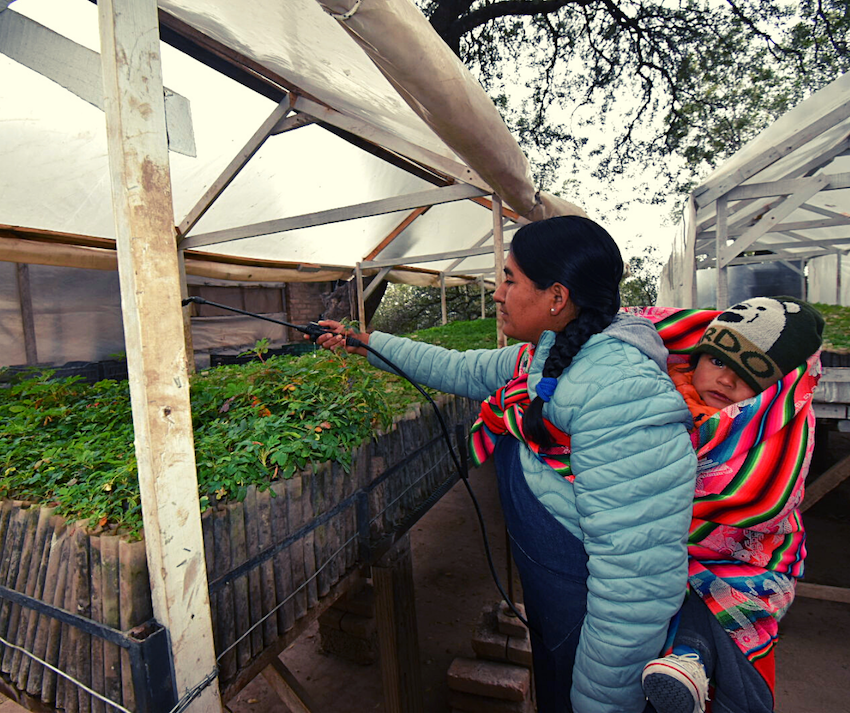
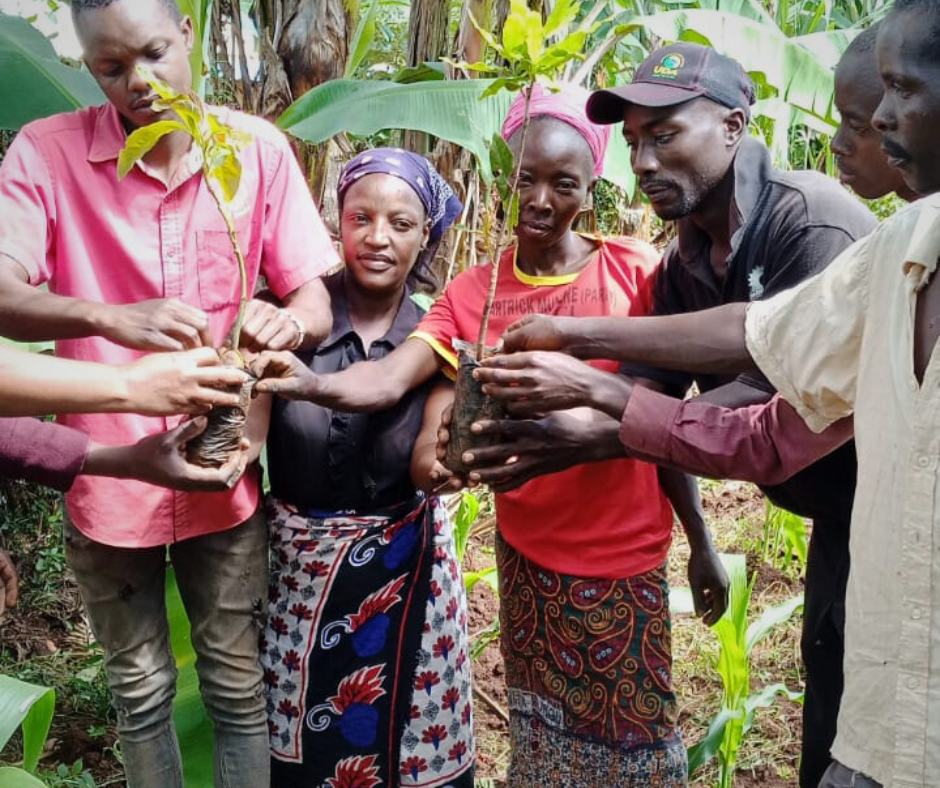
Our collaboration with Acción Andina - with thanks to on the ground co-ordinators - Armonía, Faunagua - means engaging and working closely with the local communities in Tunari, to carry out conservation activities, building powerful partnerships, enhancing livelihoods and creating forest ecosystems that endure for generations.
Our collaboration with Acción Andina - with thanks to on the ground co-ordinators - Armonía, Faunagua - means engaging and working closely with the local communities in Tunari, to carry out conservation activities, building powerful partnerships, enhancing livelihoods and creating forest ecosystems that endure for generations.